Weather Alerts for California
1. Flood Advisory for: Glenn, CA; Tehama, CA
2. High Wind Warning for: Lassen-Eastern Plumas-Eastern Sierra Counties
3. High Wind Warning for: Mono
4. High Wind Watch for: Grapevine; Mojave Desert Slopes
5. Wind Advisory for: Coastal Del Norte; Del Norte Interior
6. Wind Advisory for: Indian Wells Valley; Mojave Desert
7. Wind Advisory for: Modoc County
8. Wind Advisory for: Owens Valley; Death Valley National Park; Eastern Mojave Desert, Including the Mojave National Preserve
9. Wind Advisory for: San Bernardino County Mountains; Riverside County Mountains; San Diego County Mountains; Apple and Lucerne Valleys; Coachella Valley; San Diego County Deserts; San Gorgonio Pass Near Banning
10. Wind Advisory for: Surprise Valley California; Northern Washoe County
11. Wind Advisory for: Western Mojave Desert
12. Winter Weather Advisory for: Greater Lake Tahoe Area; Greater Lake Tahoe Area
13. Winter Weather Advisory for: Modoc County
14. Winter Weather Advisory for: Mono
15. Winter Weather Advisory for: Northern Trinity
16. Winter Weather Advisory for: West Slope Northern Sierra Nevada
17. Winter Weather Advisory for: Western Siskiyou County
18. Winter Weather Advisory for: Yosemite NP outside of the valley; Upper San Joaquin River
Want more detail? Get the Complete 7 Day and Night Detailed Forecast!
Current U.S. National Radar--Current
The Current National Weather Radar is shown below with a UTC Time (subtract 5 hours from UTC to get Eastern Time).

National Weather Forecast--Current
The Current National Weather Forecast and National Weather Map are shown below.

National Weather Forecast for Tomorrow
Tomorrow National Weather Forecast and Tomorrow National Weather Map are show below.

North America Water Vapor (Moisture)
This map shows recent moisture content over North America. Bright and colored areas show high moisture (ie, clouds); brown indicates very little moisture present; black indicates no moisture.

Weather Topic: What are Altostratus Clouds?
Home - Education - Cloud Types - Altostratus Clouds
 Next Topic: Cirrocumulus Clouds
Altostratus clouds form at mid to high-level altitudes
(between 2 and 7 km) and are created by a warm, stable air mass which causes
water vapor
to condense as it rise through the atmosphere. Usually altostratus clouds are
featureless sheets characterized by a uniform color.
In some cases, wind punching through the cloud formation may give it a waved
appearance, called altostratus undulatus. Altostratus clouds
are commonly seen with other cloud formations accompanying them.
Next Topic: Cirrocumulus Clouds
Weather Topic: What are Cirrostratus Clouds?
Home - Education - Cloud Types - Cirrostratus Clouds
 Next Topic: Cirrus Clouds
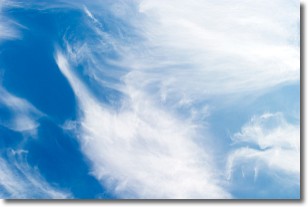
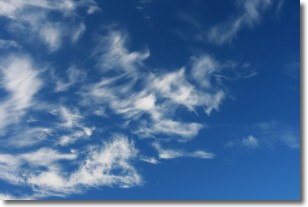
Cirrostratus clouds are high, thin clouds that form above
20,000 feet and are made mostly of ice crystals. They sometimes look like giant
feathers, horse tails, or curls of hair in the sky.
These clouds are pushed by the jet stream and can move at high speeds reaching
100 mph.
What do they indicate?
They indicate that a precipitation is likely within 24 hours.
Next Topic: Cirrus Clouds
Current conditions powered by WeatherAPI.com